
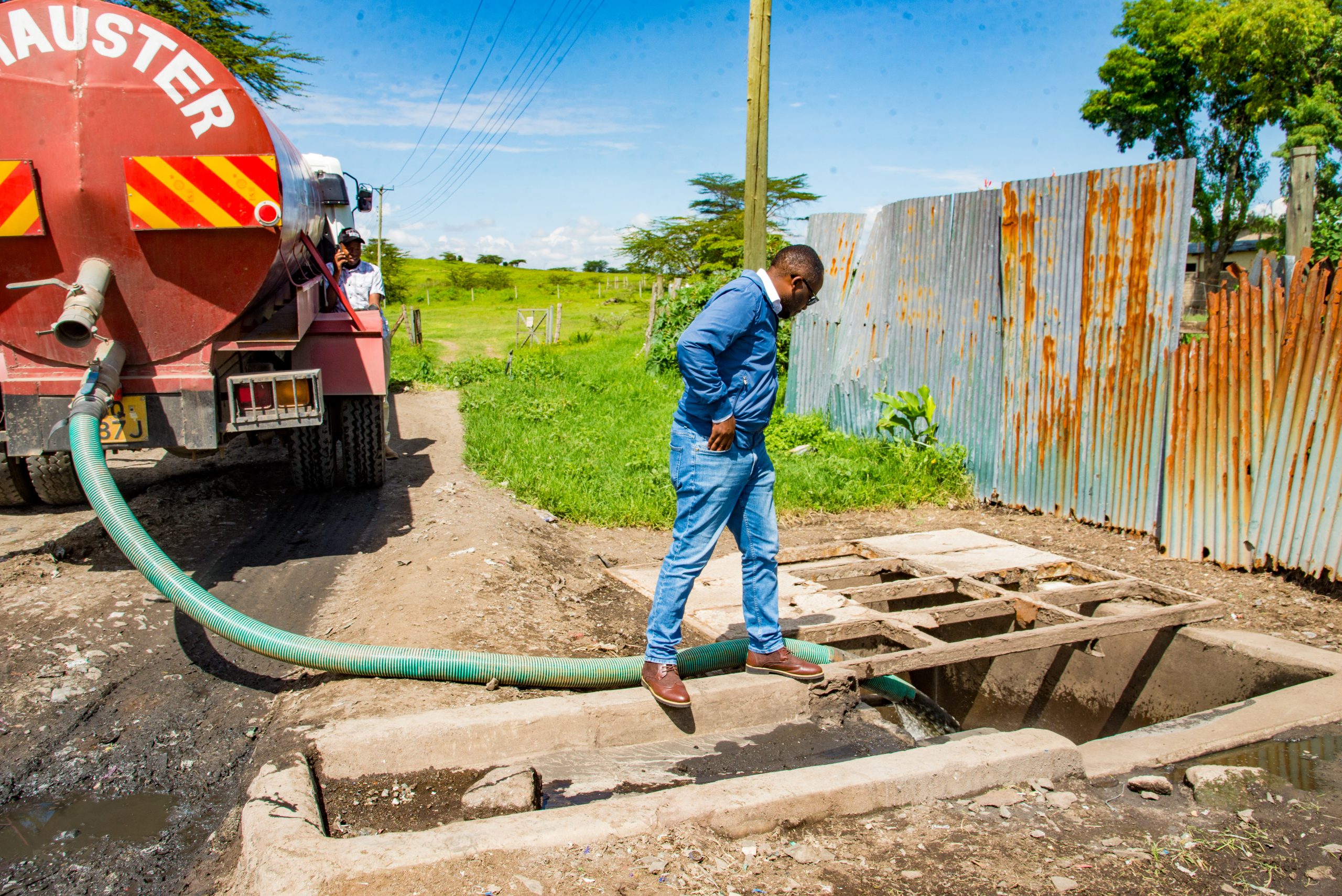
As cities across Africa and Asia work to deliver safely managed sanitation for populations relying on onsite systems, one challenge remains central: how do we regulate fecal sludge emptying and transport services in ways that are both effective and scalable?
The recently launched WHO Roadmap for Advancing Sanitation Regulation provides a comprehensive framework for strengthening regulatory approaches across the sanitation service chain. A new opinion piece and essay published in PLOS Water contribute important insights to this discussion by exploring how regulation can be made more effective for onsite sanitation services, particularly fecal sludge emptying and transport, building on the WHO Roadmap and discussions from the 2024 UNC Water and Health Conference.
The opinion piece argues that to effectively engage and support the private sector at scale, principles of active regulating, described in the WHO Roadmap primarily as they relate to the national level, must also be co-opted at the city level, where day-to-day service delivery realities are best understood and managed. This reflects the growing recognition that achieving safe, inclusive sanitation requires regulators and city authorities to work together to shape markets, support service providers, and drive improvements in practice.
The essay continues the conversation by identifying emerging areas where further sector guidance is needed for fecal sludge emptying and transport regulation. As regulation evolves from establishing frameworks toward improving implementation and outcomes, new questions are emerging around incentives, enforcement, inclusion, service quality, and the practical realities of engaging diverse service providers.
Together with the WHO Roadmap, these papers highlight an important shift in thinking: regulation is not simply about setting rules. It is about creating the conditions that enable safe, affordable, and citywide sanitation services to flourish.
Have a read and share your thoughts: what do you see as the biggest regulatory challenge for scaling safe faecal sludge management services?
Active regulating of onsite sanitation must be extended from the national to the city level to effectively engage the private sector at scale: https://journals.plos.org/water/article?id=10.1371/journal.pwat.0000563
Continuing the conversation: Emerging areas for sector guidance in fecal sludge emptying and transport service regulation: https://journals.plos.org/water/article?id=10.1371/journal.pwat.0000540
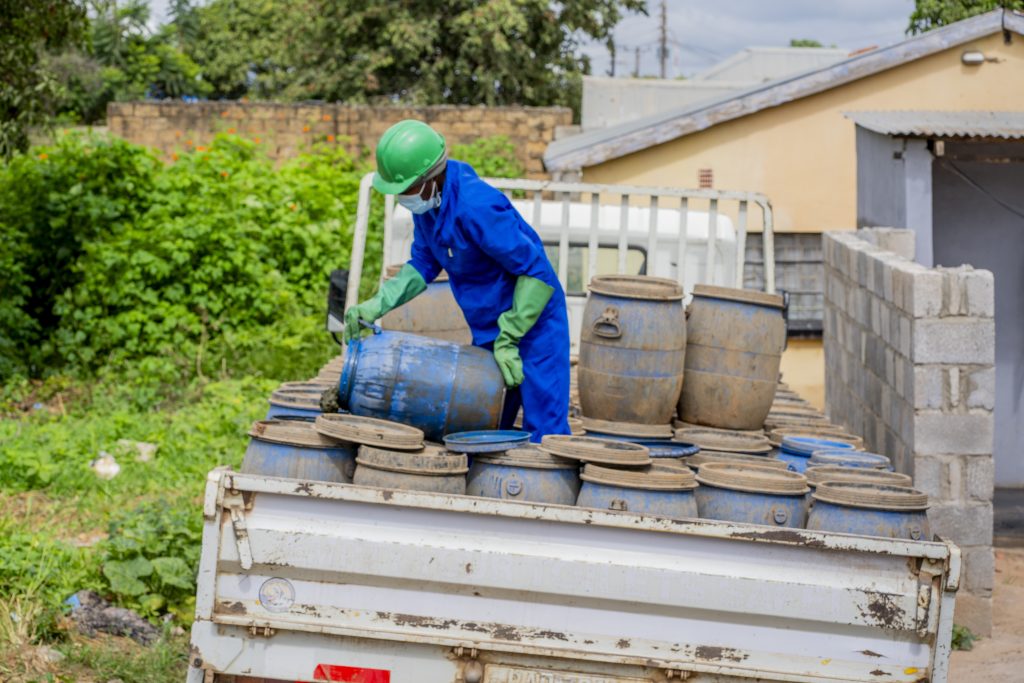
The opinion piece and essay come from extensive discussions across many different organisations – a great example of the benefits of academics, government, not-for-profits, NGOs and service providers thinking together! We also want to thank the reviewers for their time and tenacity in supporting the development of these two pieces of work. Your inputs have been invaluable. Jonathan Wilcox, Sam Drabble, Vivine Tuyizere, Bruce Rutayisire, Elizabeth Cullen, Felix Twinomucunguzi, Martha Naigaga, Trinah Kyomugisha, Ruhil Iyer, Matthew Jackson-Koufie, Tracy Ratidzaishe Mupinga, Alison Parker, Guillaume Wright, Clarissa Brocklehurst, Alyse Schrecongost. Cranfield University, Water@leeds, WaterAid, Water for People, Institute of Development Studies, Uganda’s Ministry of Water and Environment, Pit Vidura, and PLOS water.