
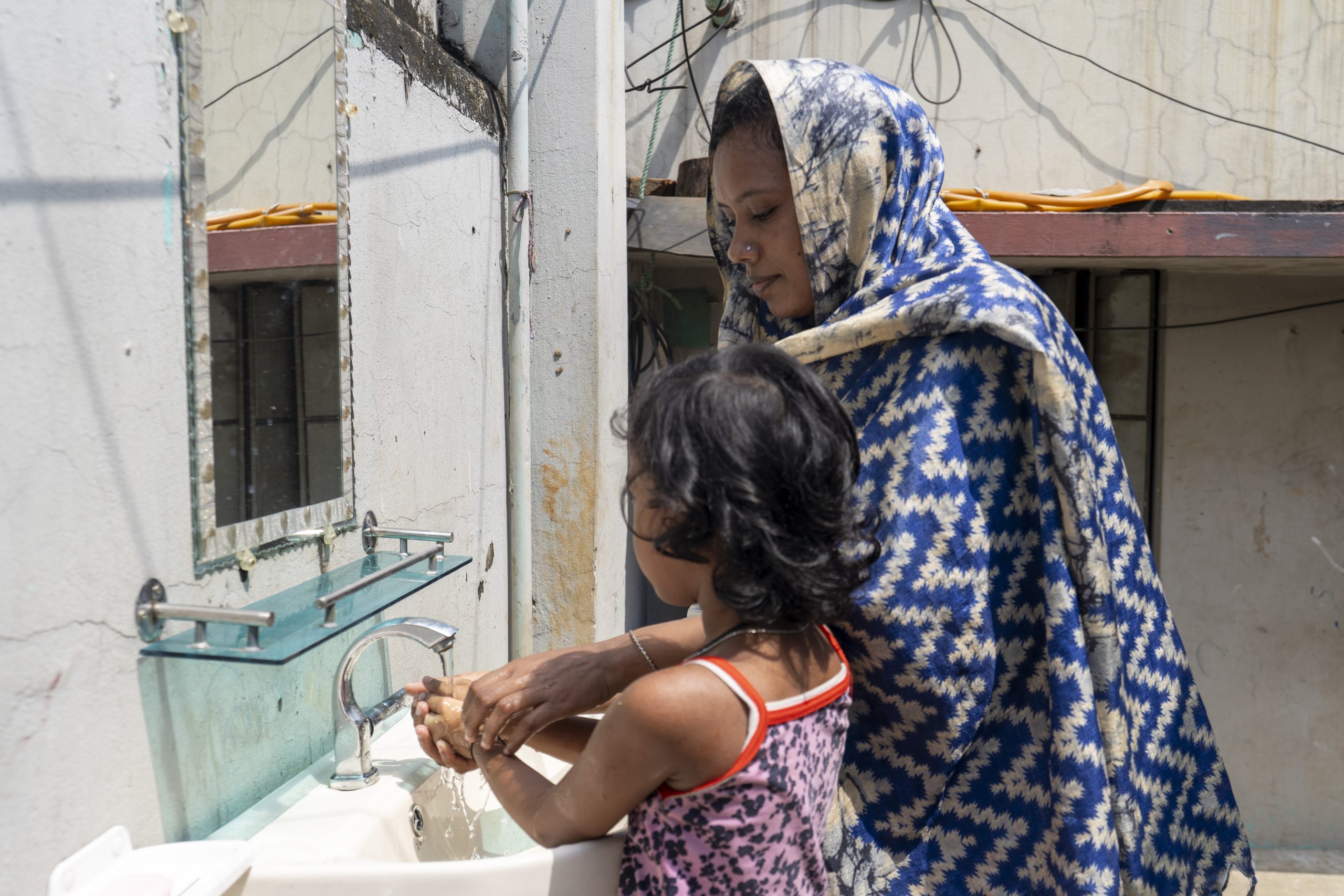
Access to safe water transforms far more than daily routines, it improves health, creates opportunity and strengthens communities. In Bangladesh, a partnership between The Coca-Cola Foundation and WSUP is demonstrating how collaborative action can help deliver lasting change for people living in low-income urban communities.
Across the cities of Chattogram and Cumilla, the project has exceeded its original ambitions. More than 24,900 people now have access to safe drinking water through 216 community and school water points, while hygiene promotion activities have reached over 77,000 people, helping families adopt healthier practices and reduce the risk of waterborne disease.
Behind these achievements lies a powerful partnership. Working closely with local Water Supply and Sewerage Authorities, City Corporations, schools and community groups, the project has strengthened local capacity, improved service delivery and encouraged inclusive planning that responds to the needs of the communities it serves.
The impact extends beyond access to clean water. Families are spending less time and money accessing safe water, schools have more reliable facilities for students, and communities are becoming more resilient by reducing their dependence on unsafe water sources. Women and children, who are often most affected by inadequate water and sanitation services, are among those benefiting most.
As cities continue to grow and climate pressures increase, ensuring equitable access to safe water has never been more important. This project shows that when philanthropy, local leadership and technical expertise come together, they can create practical, scalable solutions that strengthen urban water systems and improve lives.
Watch the video to see how partnership, innovation and community action are helping build healthier, more resilient cities in Bangladesh.
To learn more about WSUP’s work, contact partnerships@wsup.com or follow Water & Sanitation for Urban Populations on LinkedIn for the latest updates.