
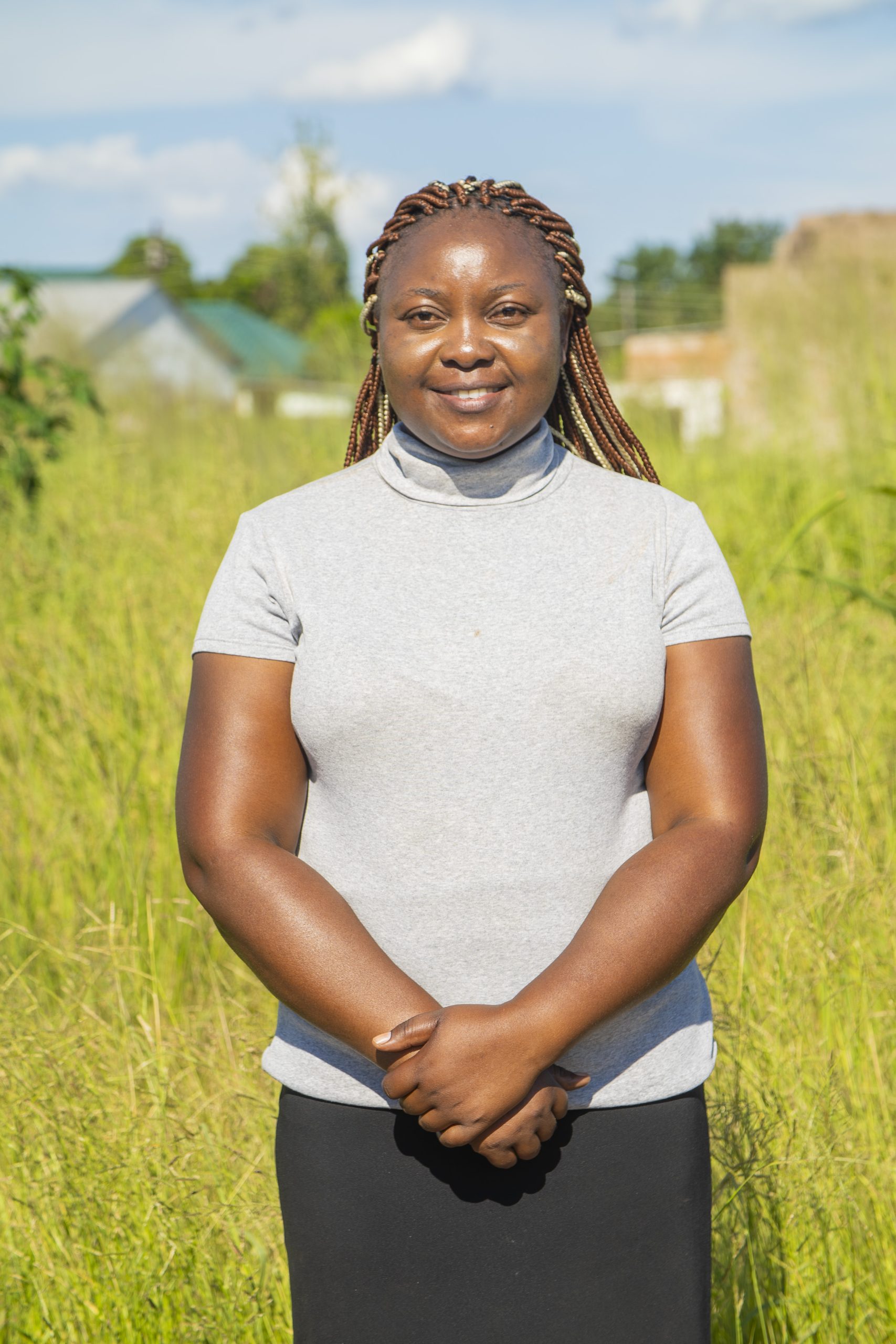
In many urban centres across sub-Saharan Africa, the gap between infrastructure investment and sustained service delivery often comes down to one critical factor: community trust. In Zambia’s Southern Water and Sanitation Company (SWSCO), one woman is working at the heart of that connection.
Eustakia Hamuchenje, Community Relations Officer at SWSCO in Choma, Livingstone, sits at the interface between utility operations and the communities they serve. Her work focuses on ensuring that water and sanitation investments translate into real, understood, and sustained services for households, particularly in low-income and underserved areas.
Her role has also been strengthened through broader utility capacity-building efforts supported by WSUP, which have helped reinforce community engagement systems, improve feedback loops, and enhance service responsiveness in informal and peri-urban settlements.
In this Q&A, Eustakia reflects on her role, the realities of working with communities under pressure, and what it means to be a woman working in the WASH sector.
Q: How has your role evolved in recent years?
My role has become more structured around active community engagement. Beyond information sharing, we now focus on understanding community challenges such as intermittent water supply and limited sanitation access, and feeding this information back into service planning and improvement.
Q: What are some of the main challenges you encounter in low-income communities?
One of the key challenges is competing priorities. Many residents are focused on daily income generation and survival needs, so community meetings are often not well attended. As a result, only a small number of people may receive information directly. There is also the challenge of ensuring that messages shared in meetings are effectively passed on within communities.
Q: What motivates you in this work?
What motivates me most is the interaction with people. Every engagement is different. Communities share their lived experiences and challenges, and in return, I also learn from them. It is a continuous exchange of knowledge, not just a one-way flow of information.
Q: How does community feedback influence utility operations?
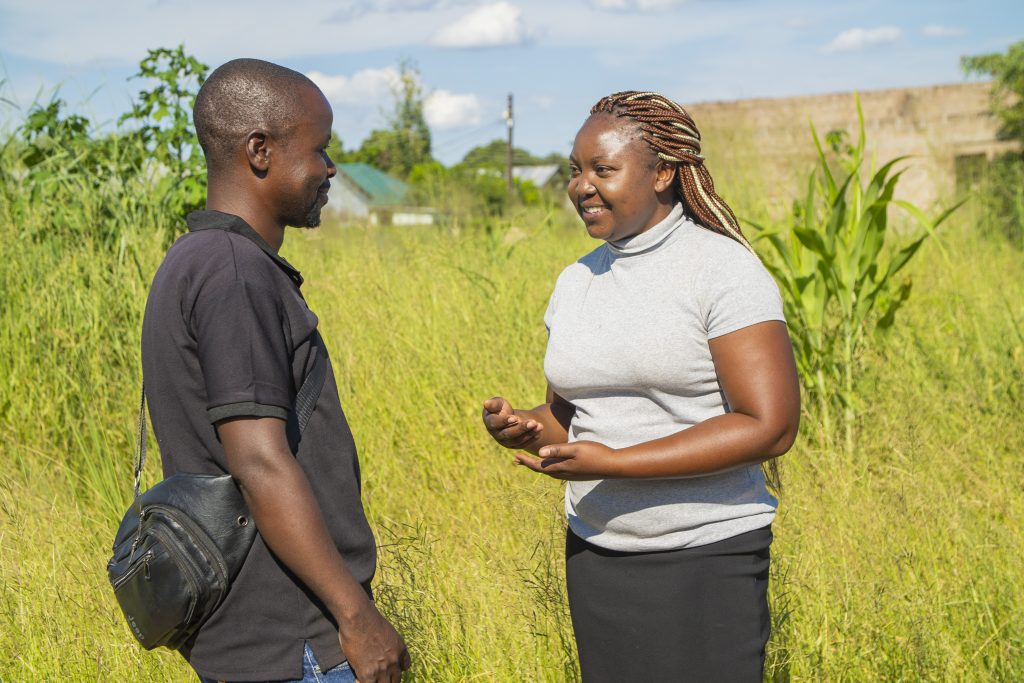
Community feedback is critical. In many cases, residents are the first to identify issues such as pipe bursts or supply interruptions. We rely on this information to understand where service gaps exist and to respond more effectively. In that sense, communities act as an early warning system for the utility.
Q: Can you share an example where community engagement contributed to service improvement?
In Ngwenya, for example, residents previously had access to water for only a few hours per day. This had significant implications for households, particularly for women managing care responsibilities and girls managing menstrual hygiene needs. Following improvements, the area now benefits from a continuous water supply. This has significantly improved reliability, household wellbeing, and trust in the service provider.
Q: How has improved service delivery affected trust and willingness to pay?
There has been a clear shift. In the past, limited supply made it difficult for customers to justify paying consistently. With improved service reliability, payment compliance has increased. Customers now see value in the service and are more willing to pay, often through mobile platforms, with less need for reminders.
Q: As a woman working in WASH, how has institutional and partner support influenced your experience?
Working in this environment has allowed me to collaborate closely with technical teams, including engineers, in a more integrated way. Through institutional strengthening efforts supported by partners such as WSUP, there is greater recognition of the value of social and technical collaboration. This has created space for more inclusive participation and professional growth.
Q: What impact do you see your role having on communities, particularly women?
Because I engage with diverse groups, women, youth, and older community members, I can communicate messages on water use, hygiene, and conservation in a way that is accessible. This has helped improve awareness around water management, particularly during periods of scarcity, and has reinforced better household hygiene practices.
How can a more gender-diverse workforce strengthen innovation, resilience, or service delivery in WASH, particularly in informal settlements or climate-vulnerable areas?
A more gender-diverse workforce brings different perspectives into how we design and deliver services. In the communities I work with, women are the primary users of water at household level, they understand the daily challenges of access, storage, and hygiene. When women are involved in service delivery, those realities are better reflected in how we plan and communicate. In informal settlements or areas affected by water shortages, this becomes even more important. Women tend to think about how water is managed over time, how to conserve it, how to prioritise its use, and how to maintain hygiene even when supply is limited. When those perspectives are included, the solutions become more practical and sustainable for the community.
Q: What tangible benefits have households experienced from improved water access?
The most immediate impact is time savings. Households no longer need to walk long distances to fetch water, which frees up time for income-generating activities, schooling, and other responsibilities. There have also been improvements in hygiene practices, as households now have more reliable access to water for cleaning, cooking, and personal hygiene.
Q: Have you observed any changes in health outcomes such as diarrhoeal disease or cholera?
I cannot provide specific data on health outcomes. However, improved access to water and sanitation is widely understood to contribute to better hygiene practices. While cholera outbreaks have occurred in the wider region, strengthened water access is an important part of reducing vulnerability to such diseases.
Q: What message would you like to leave with partners supporting this work?
We are grateful for the continued support from funders and partners, including the capacity building that has strengthened both systems and staff within the utility. This investment is important for long-term sustainability. We also acknowledge the support of the government in Zambia in advancing progress towards SDG 6:ensuring safe water and sanitation for all.