
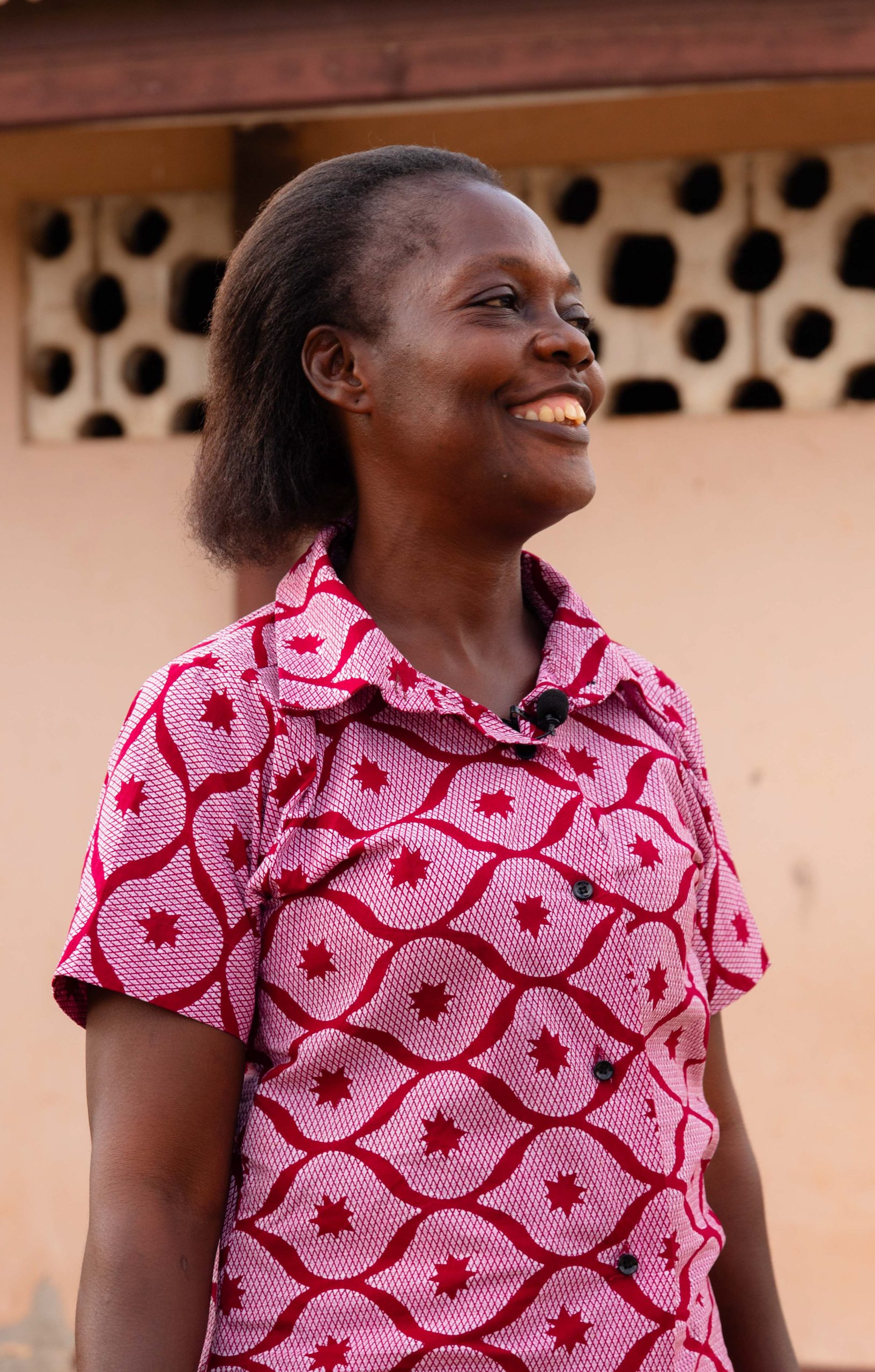
At 5:00 am, while most of her village is still asleep, Sandra Abrafi is already unlocking the doors and preparing for the day. For the 50-year-old mother of three, the local Water, Sanitation, and Hygiene (WASH) facility is not just a building—it is a daily lifeline for over 120 residents, a vital safeguard for public health, and an engine of local economic independence.
Abrafi’s journey began in 2010 when the WASH initiative was introduced to her community. Supported by Water & Sanitation for Urban Poor (WSUP), local partners, and USAID through the Sanitation Service Delivery (SSD) programme, the project offered intensive administrative training to ensure long-term sustainability. The training was structured as a competition between five local groups to determine who could manage the infrastructure most effectively. Abrafi’s cohort outperformed the rest, securing both the facility for their community and the responsibility to run it.
Since taking charge of daily operations in 2012, Abrafi has proven that investing in local human capacity is just as vital as constructing the physical infrastructure. Reporting directly to the Community Management Committee (CMC), she balances strict hygiene protocols with meticulous financial oversight.
“Every three days, I compute the sales to ensure we stay on track,” Abrafi explains. “I also conduct daily inspections to ensure the space remains spotless. Sanitation only works if people trust that it’s clean, safe, and reliable.”
That trust has proven crucial, particularly for local women. Serving between 120 and 130 visitors daily, the center offers a safe alternative in an area where open defecation remains common among men. To better accommodate female residents, Abrafi strategically expanded the layout, converting two urinals into standard sitting toilets to bring the capacity to 12 stalls.
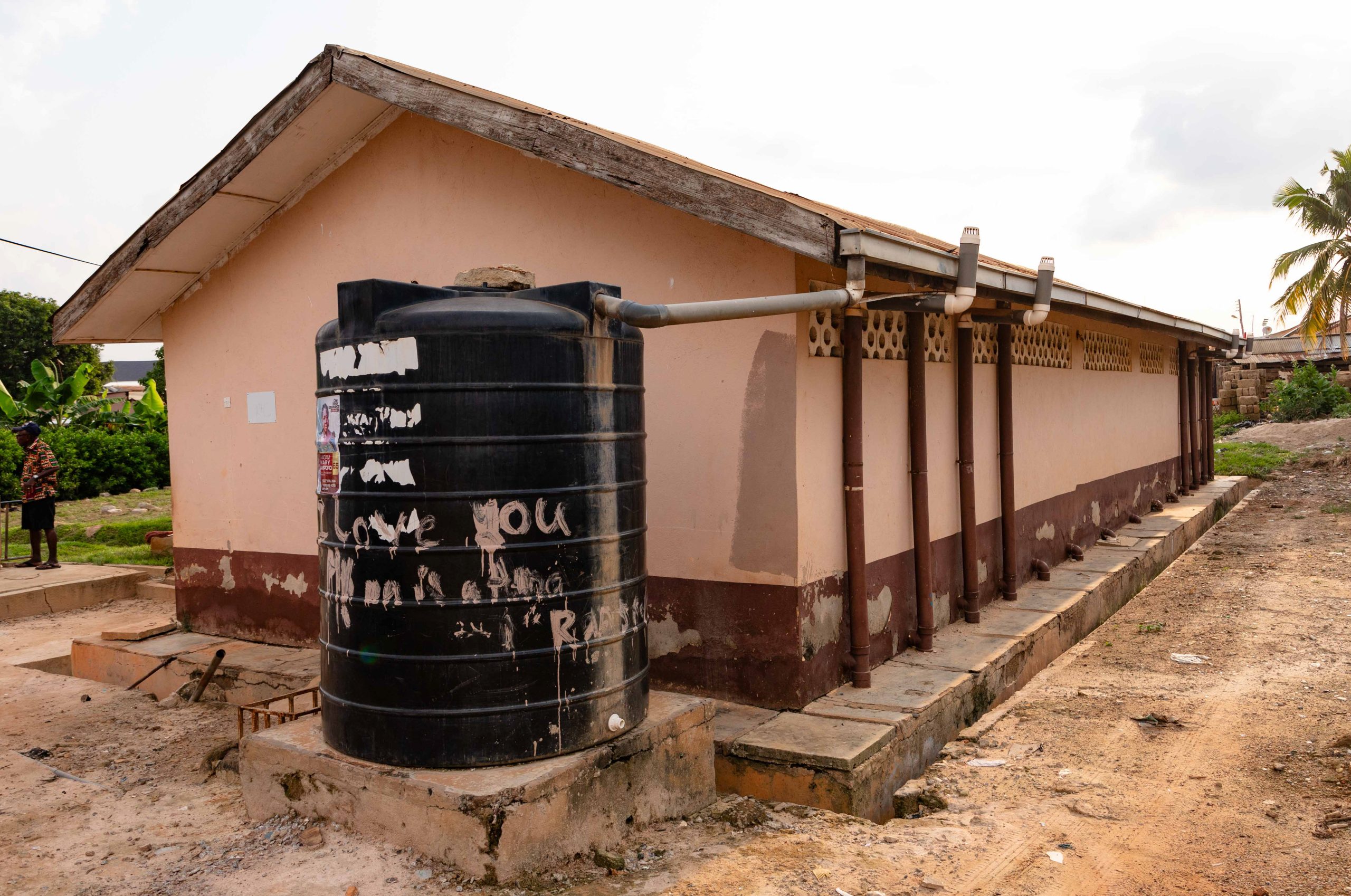
Operating a heavily used public facility comes with persistent hurdles. Misuse of water closet seats and flush handles causes frequent maintenance issues, while seasonal heavy rains flood the grounds and overfill septic tanks with drain water. The facility has also weathered past vandalism of its central storage tanks and plumbing blockages from improperly disposed sanitary items.
Yet, the positive impacts far outweigh the operational strains. Beyond reducing disease transmission, the facility generates steady daily revenues, ranging from 150 to 300 Ghana cedis during community gatherings and funerals, creating reliable jobs for unemployed residents, particularly women.
“Personally, managing this facility has provided the steady income I needed to raise my three sons,” says Abrafi. “I am equally proud that other women working alongside me are earning a dignified living.”
For development partners evaluating the long-term impact of sanitation infrastructure, Abrafi’s leadership demonstrates how partnerships between communities, utilities, and donors deliver lasting change.
“I want to encourage more women to take up leadership roles in the sanitation industry,” Abrafi says. “To the organizations that helped us set this up, your support is actively transforming lives. Our community is cleaner, healthier, and economically stronger. We are ready for the next one.”