
Climate change is redefining the future of urban water and sanitation.
Across many of the world’s fastest-growing cities, longer droughts, more intense flooding and rapid urbanisation are placing unprecedented pressure on water infrastructure and public services. At the same time, low-income communities often face the greatest risks while having the least reliable access to safe water and sanitation.
These realities are changing how urban WASH programmes are designed.
For WSUP, climate resilience and social inclusion are increasingly integrated into our programme delivery rather than treated as separate priorities. Our work with governments, utilities and communities helps develop services that can withstand future environmental pressures while remaining accessible to those most at risk.
In the last year, WSUP expanded programmes focused on reducing non-revenue water, increasing the use of solar-powered infrastructure and strengthening climate resilience across urban water and sanitation systems. We also introduced new monitoring indicators to better understand environmental outcomes, including water saved and faecal waste safely managed.
Country programmes continued to demonstrate how WSUP’s climate adaptation takes different forms depending on local conditions.
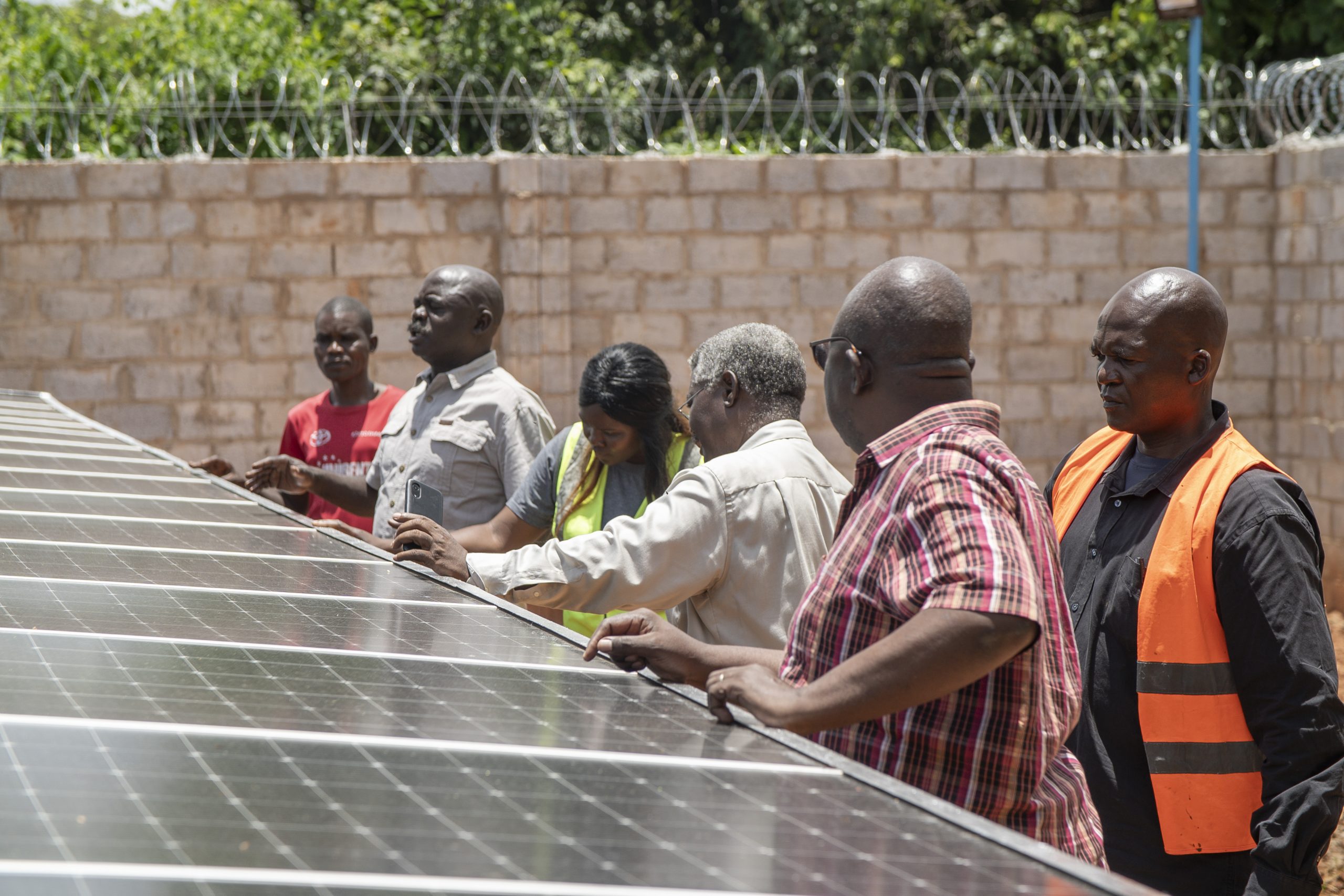
In Zambia, support focused on solarising boreholes and improving water efficiency through intelligent pressure management and leak-detection technologies following prolonged drought.
In Bangladesh, flood-resilient sanitation facilities continued to be expanded in informal settlements, while Mozambique progressed simplified sewer systems designed for low-lying urban neighbourhoods vulnerable to flooding.
Meanwhile, Madagascar combined climate-resilient WASH services with circular economy approaches, promoting waste sorting, composting and recycling in schools and surrounding communities.
Alongside climate adaptation, inclusion remains central to sustainable service delivery.
During the year, WSUP embedded updated guidance on gender equality, disability and social inclusion into programme design across all of its core countries.
Our commitment is reflected in initiatives ranging from hygiene and menstrual health programmes reaching approximately 40,000 pupils in Kenya to workplace WASH initiatives informed by research on women working in sanitation enterprises in Bangladesh and continued support for low-income customer services in Ghana.
Urban water challenges are becoming increasingly interconnected. Climate resilience cannot be achieved without inclusive services, and inclusion cannot be sustained without systems capable of adapting to future environmental change.
As cities continue to grow, the organisations making the greatest long-term contribution may not simply be those that expand infrastructure, but those helping cities build water and sanitation services that are resilient, equitable and designed to last.