
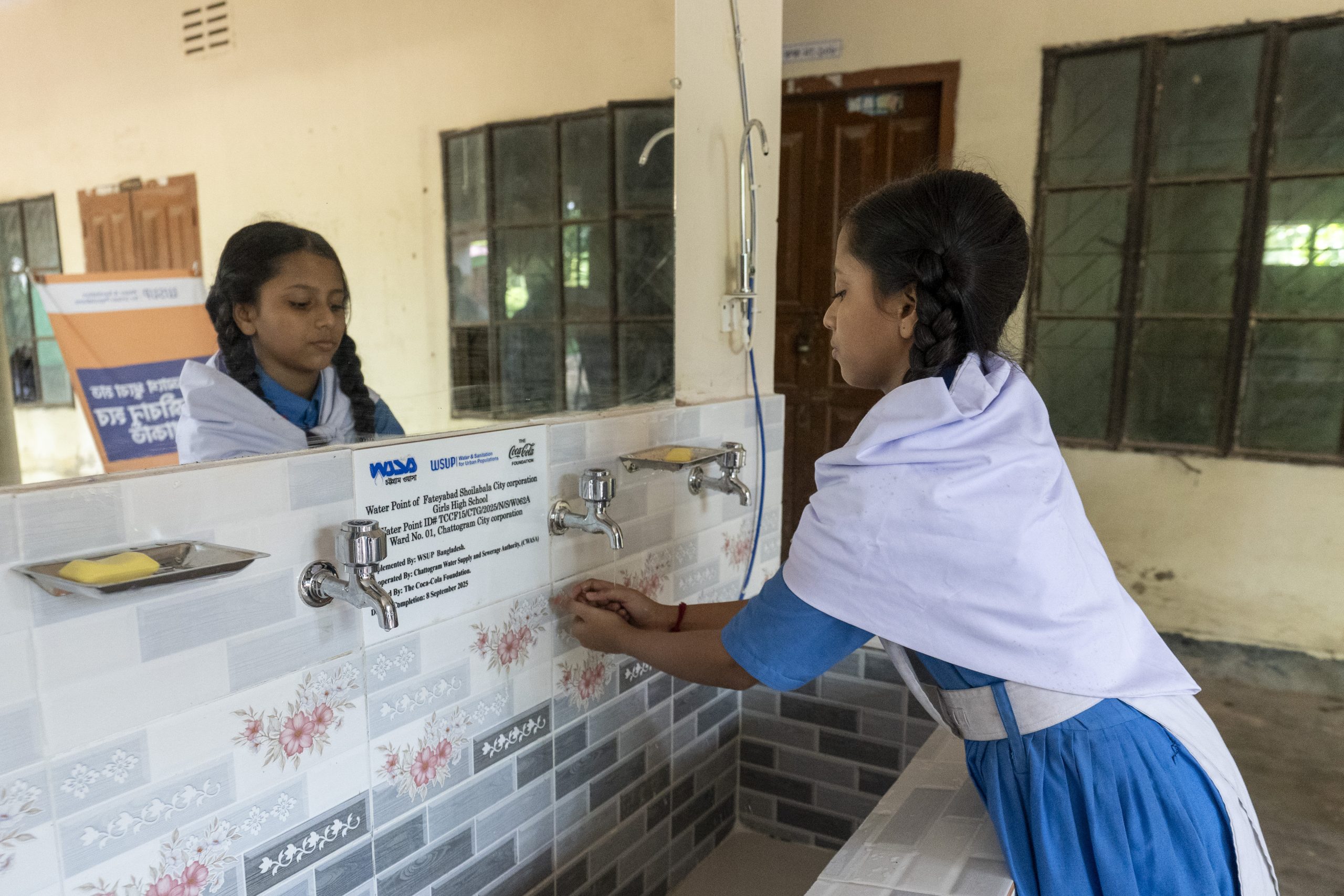
When people think about the global water crisis, they often picture broken pumps, empty buckets or children walking long distances to collect water.
Those images tell part of the story.
But they do not explain why, in rapidly growing cities across Africa and Asia, millions of people still live without reliable water and sanitation despite decades of investment.
The challenge is rarely a lack of solutions. Around the world, governments, utilities, engineers and communities know how to deliver safe water and sanitation. The greater challenge is ensuring those services continue to function long after a project has ended.
As cities grow, populations rise, and climate pressures intensify, the question is changing from “How do we build more infrastructure?” to “How do we help cities provide water and sanitation services that last?”
That change lies at the heart of the WSUP Charity.
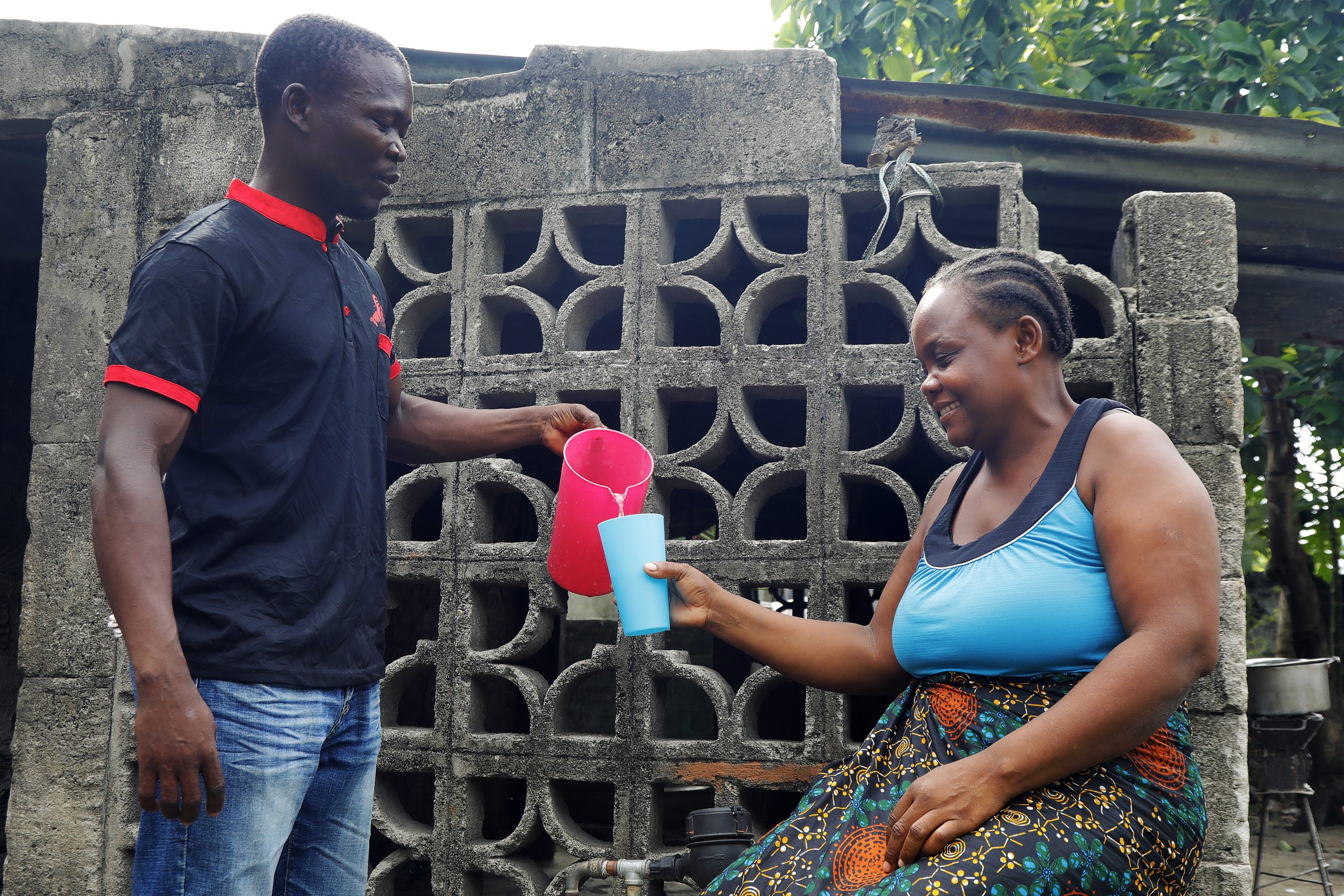
Established in 2016, the UK-registered charity exists to mobilise philanthropic support that improves access to water, sanitation and hygiene for low-income communities around the world. Rather than delivering projects directly, the charity raises and distributes funding to organisations that are creating lasting improvements in urban water and sanitation, particularly where access to funding remains a barrier.
Its principal implementing partner is Water & Sanitation for Urban Populations (WSUP), an international not-for-profit organisation that works alongside governments, utilities, regulators, businesses and communities to strengthen the systems behind water and sanitation services. By supporting organisations with proven expertise, the charity helps transform generous donations into sustainable improvements that continue benefiting communities long into the future.
This approach matters because today’s urban challenges are becoming increasingly interconnected.
By 2050, nearly seven in ten people will live in cities. Many of the fastest-growing urban areas are already under pressure from ageing infrastructure, limited public resources and the increasing impacts of climate change. Droughts, flooding and rapid urban expansion are placing unprecedented demands on water and sanitation services, particularly in low-income communities.
Meeting these challenges requires more than funding individual projects. It requires investing in stronger public institutions, better regulation, resilient infrastructure, local capacity and partnerships that enable cities to plan, finance and manage essential services for generations to come.
This is where philanthropy has a unique role to play.
Unlike many traditional sources of development finance, philanthropic funding has the flexibility to support innovation, pilot new approaches and generate the evidence needed for governments and development partners to scale successful solutions. It can bridge the gap between promising ideas and transformational change.
Every lasting improvement begins with someone willing to invest before the outcome is guaranteed.
That investment is about more than installing taps or constructing toilets. It is about helping cities become better equipped to provide safe, reliable and inclusive services for everyone, especially those who have historically been left behind.
When water systems function well, children are healthier and spend more time in school. Families are less vulnerable to disease. Businesses become more productive. Health systems face fewer preventable illnesses. Entire cities become more resilient to economic and environmental shocks.
In other words, investment in water and sanitation is an investment in health, education, dignity, economic opportunity and climate resilience.
This is the change the WSUP Charity exists to support.

By connecting philanthropists, trusts, foundations and corporate partners with organisations delivering long-term urban water and sanitation solutions, the charity helps ensure that every contribution does more than fund a project. It helps strengthen the systems that millions of people depend on every day.
The global water crisis cannot be solved by one organisation alone. It requires collaboration between governments, communities, businesses, development partners and people who believe lasting change is possible.
Whether you are an individual donor seeking to create meaningful impact, a family foundation looking to support sustainable development, or a business committed to building more resilient communities, your support can help cities develop water and sanitation services that endure.
Together, we can move beyond short-term solutions and invest in something far more powerful: cities that have the capacity to provide safe water, dignified sanitation and healthier futures for generations to come.
To learn more about the WSUP Charity and how you can support this work, visit https://wsup.com/charity/ or contact fundraising@wsupcharity.org.