
by Polly Markandya | Jul 3, 2017
This report, an output of WSUP’s Urban Sanitation Research Initiative, explores the background to the urban sanitation sector in Bangladesh. Summary of findings: Bangladesh is a lower middle-income country with high ambitions, but poor infrastructure in urban areas is...

by Polly Markandya | May 18, 2017
Dhaka is one of the world’s megacities, with a population of around 16 million. The clear majority of residents (80%) are dependent on on-site sanitation systems, yet until recently, no private operator existed to provide mechanical emptying services to this vast and...
by Polly Markandya | May 18, 2017
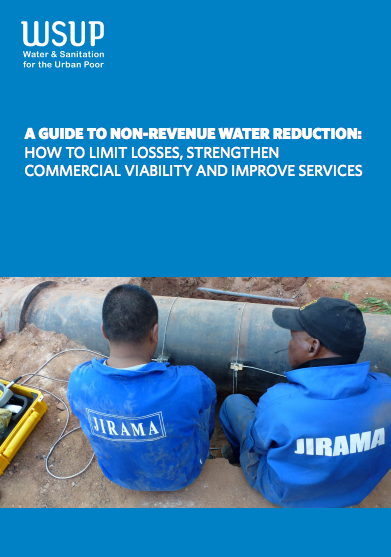
This guide has been developed as a resource for water utilities to support implementation of Non-Revenue Water (NRW) reduction programmes. It covers what NRW is and why it matters, before providing systemic guidelines that can be adopted by utility managers, engineers...
by Polly Markandya | May 18, 2017
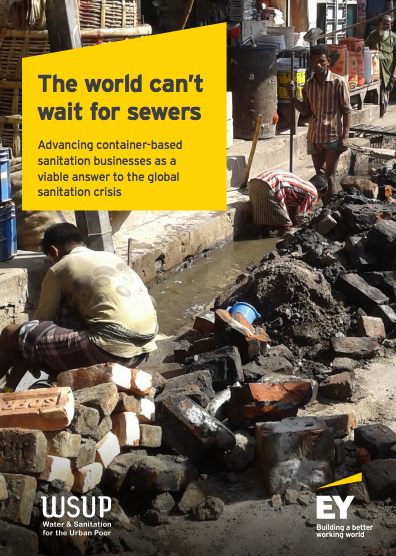
A joint report by EY and WSUP. For many low-income residents in urban areas, flush toilets and connections to a piped sewer or septic system are simply not an option. Frequently the infrastructure just doesn’t exist (and may take years to come), systems are too...

by Polly Markandya | Feb 18, 2017
The Government of India launched the Swachh Bharat Mission (SBM) in 2014 with the ambitious aim to ensure hygiene, waste management and sanitation across the nation by the 150th anniversary of Gandhi’s birth in October 2019. This document aims to build on existing...
